Company
Year
2026
Team
Role
Research & Design
Company
Year
2026
Team
Role
Research & Design

HoverPoke them to get to know them
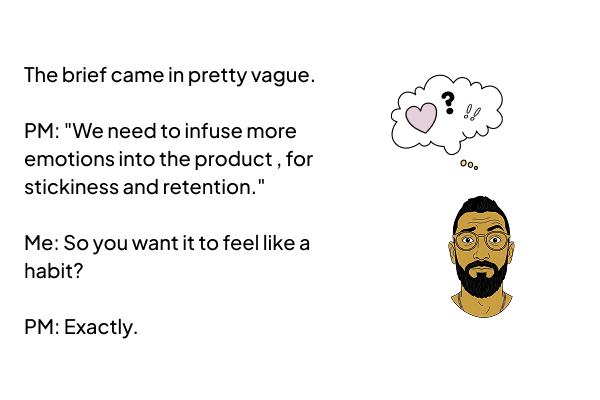
We turned a few vague words into a system
The challenge
Build emotional connection to the product, so founders come back and stay.
The catch
A short brief with almost no constraints. A lot of freedom, a lot of responsibility. I loved it.
What we did
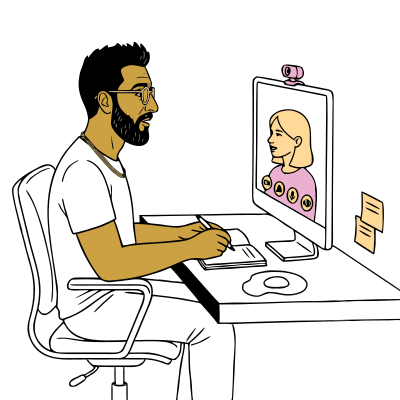
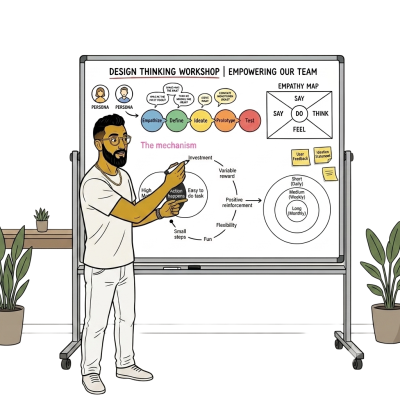
Ran user interviews, a team workshop, and designed from real behavioral anchors.
The result
14% more users kept working after a milestone.
7% more users returned to the product.
We turned a few vague words into a system
The challenge: Build emotional connection to the product, so founders come back and stay.
The catch: A short brief with almost no constraints. A lot of freedom, a lot of responsibility. I loved it.
What I did: Ran user interviews, a team workshop, and designed from real behavioral anchors.
The result: 14% more users kept working after a milestone. 7% more users returned to the product.
Watch the full story below or listen to the audio summary
Watch the full story below or listen to the
Key takeaways
If they feel Joy and Confidence, they'll come back.
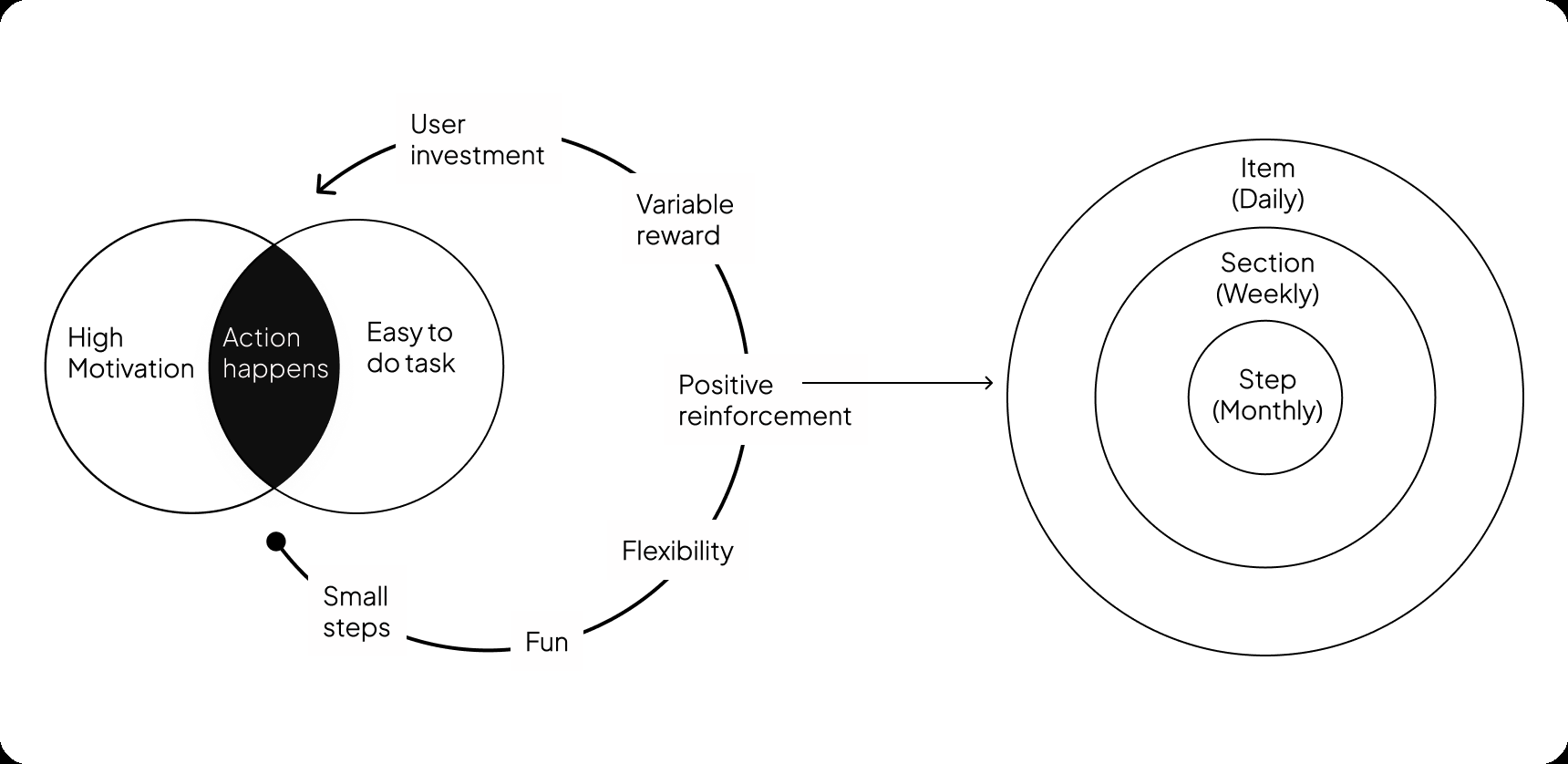
Before any screen, the model. What has to be true for a behavior to repeat, and how often to reinforce it.

01
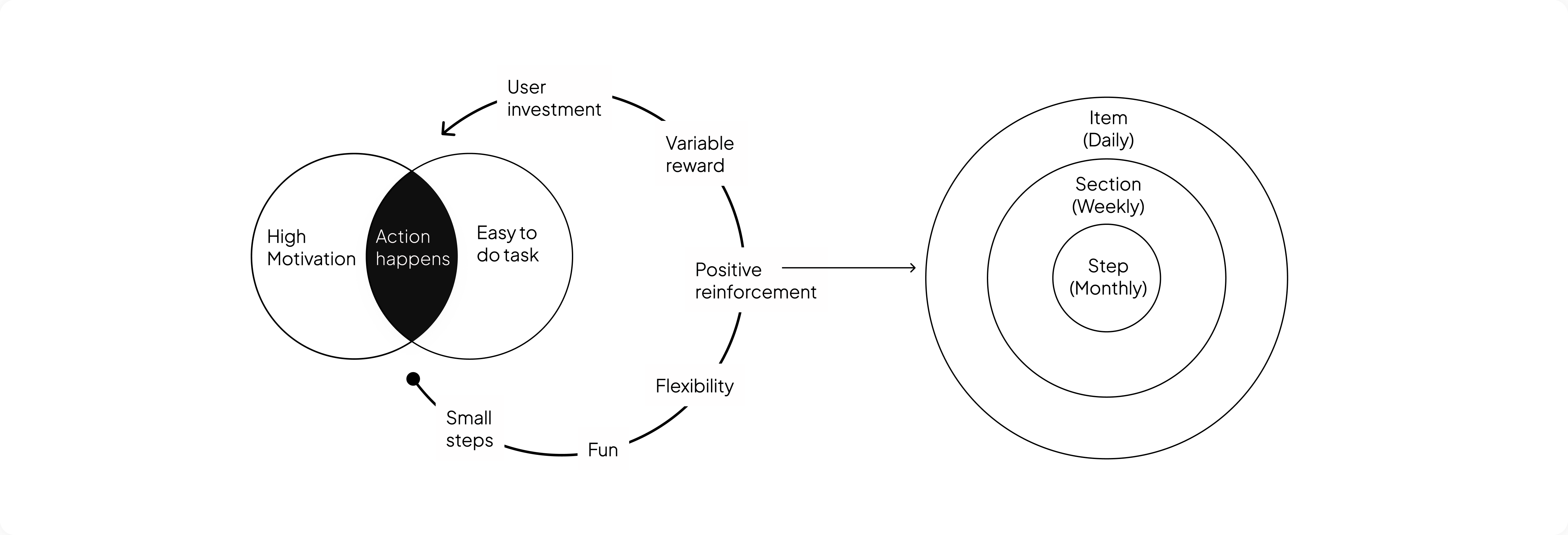
A behavior only happens when both are high enough at the same time.
02
These are the variables I worked with to push a behavior toward becoming a habit.
03
A short item earns daily reinforcement, a large section weekly, a full step monthly.
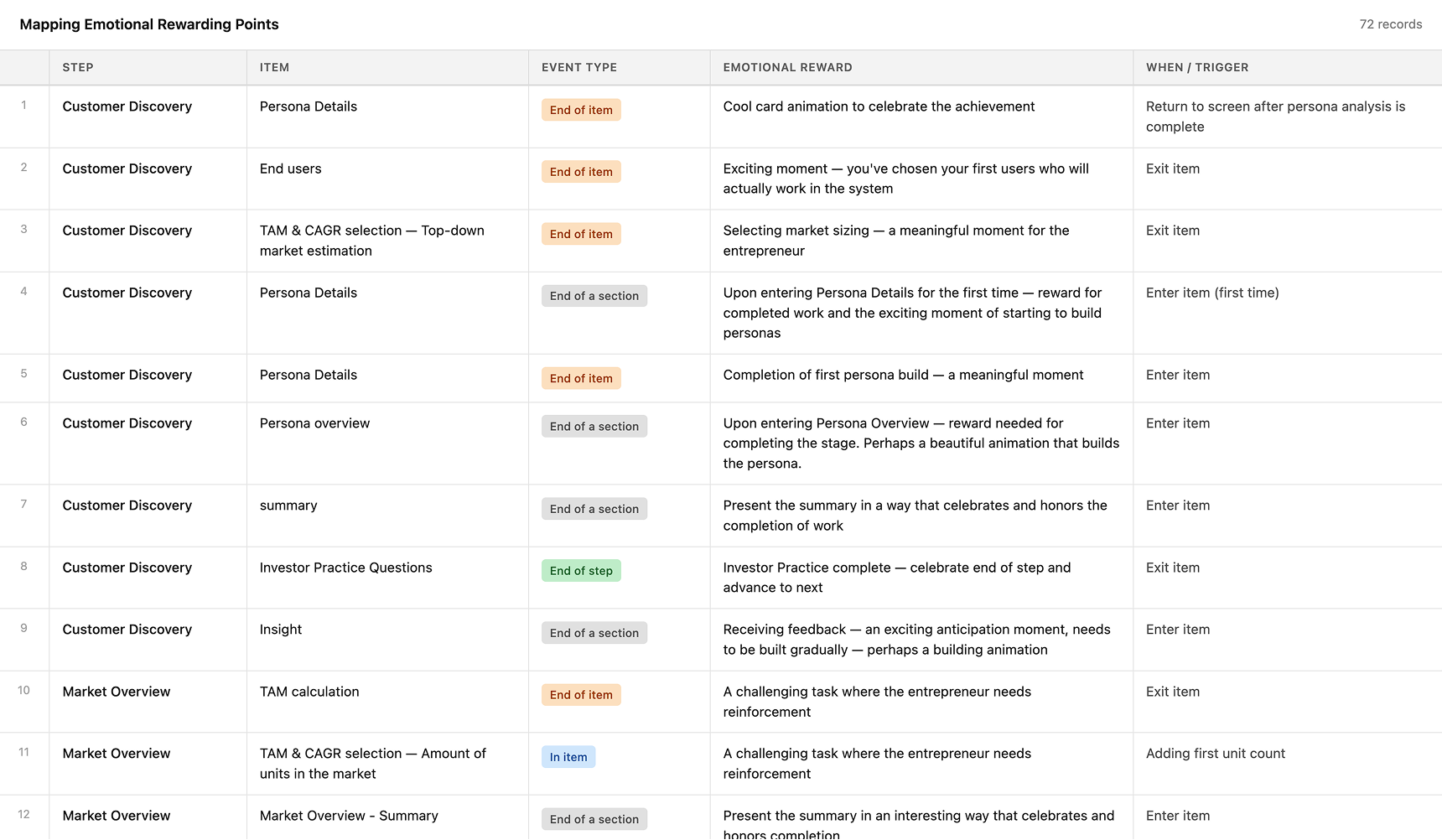
Before designing anything, I mapped and tagged every moment where a reward made sense, to build habits one task at a time. Mapping surfaced four types of emotional events, in different sizes:

01
Rewarding an item / in item completion – daily reinforcement.
02
Rewarding a section completion (a few items) – weekly reinforcement
03
Rewarding a step completion (a few sections) – monthly reinforcement
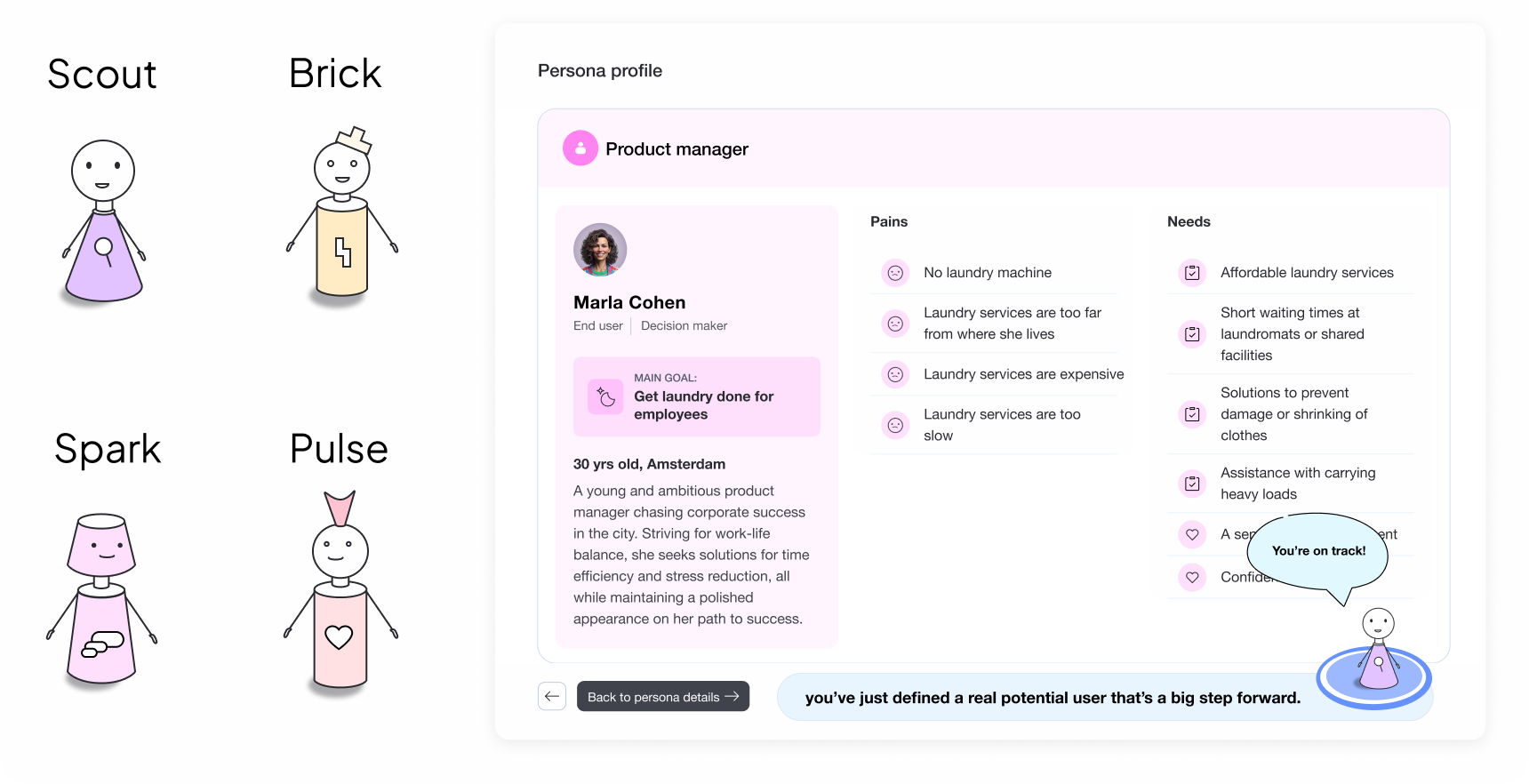
Reinforcement during the work, not only at the finish line. The Thinkers carry it.

01
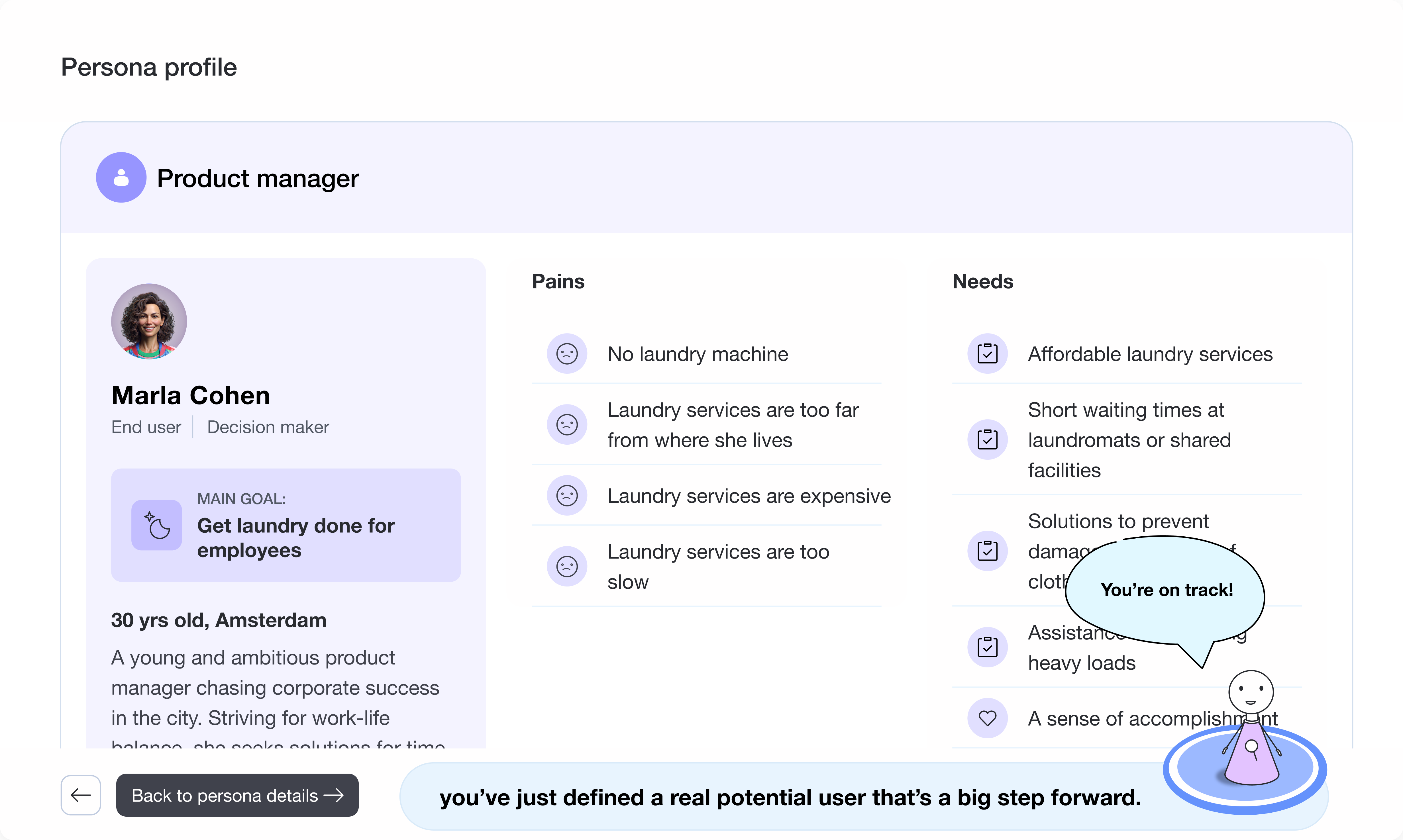
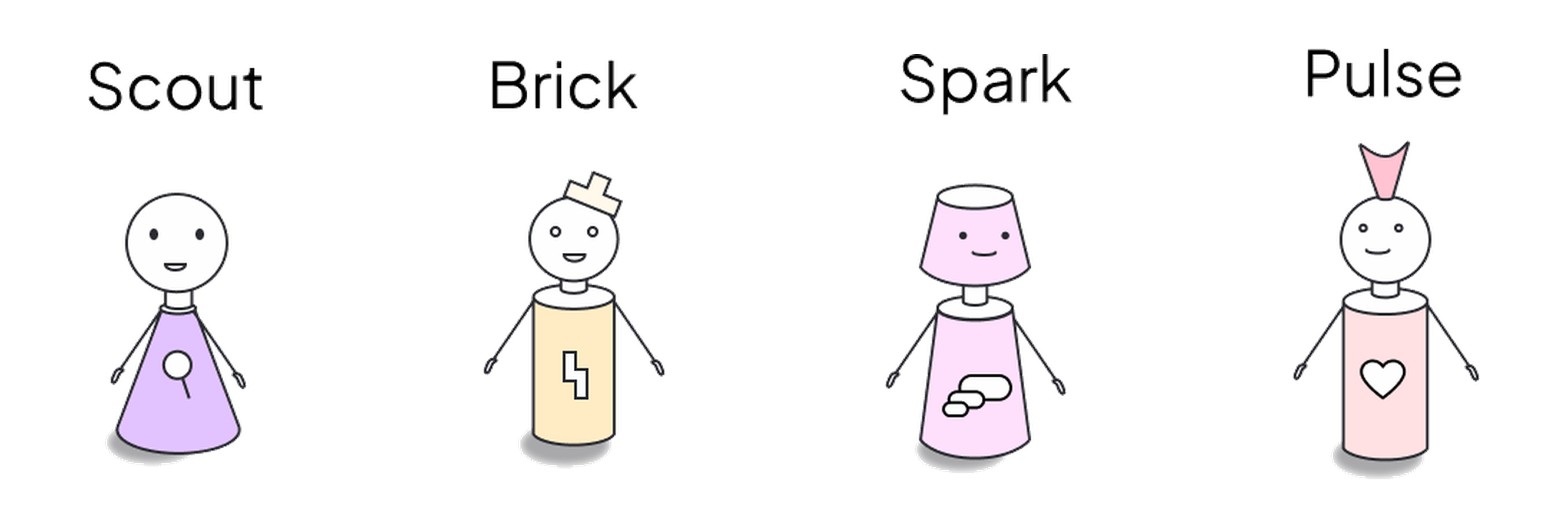
Each character has a name, a style and a domain expertise. The figures already lived in the system and users knew them. I gave them a role, and they let a serious product carry a lighter, human side.

02
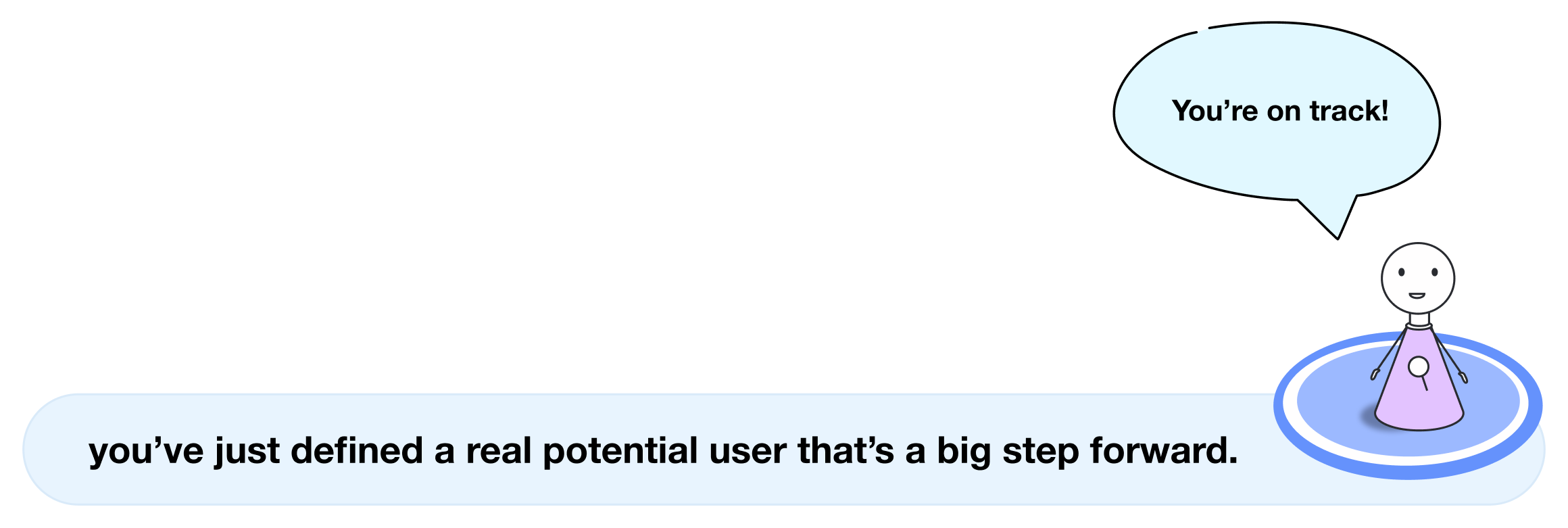
The banner connects the win to what they just did and how it moves their journey forward. The chat bubble celebrates it the way a person would, so the whole moment feels human instead of automated.

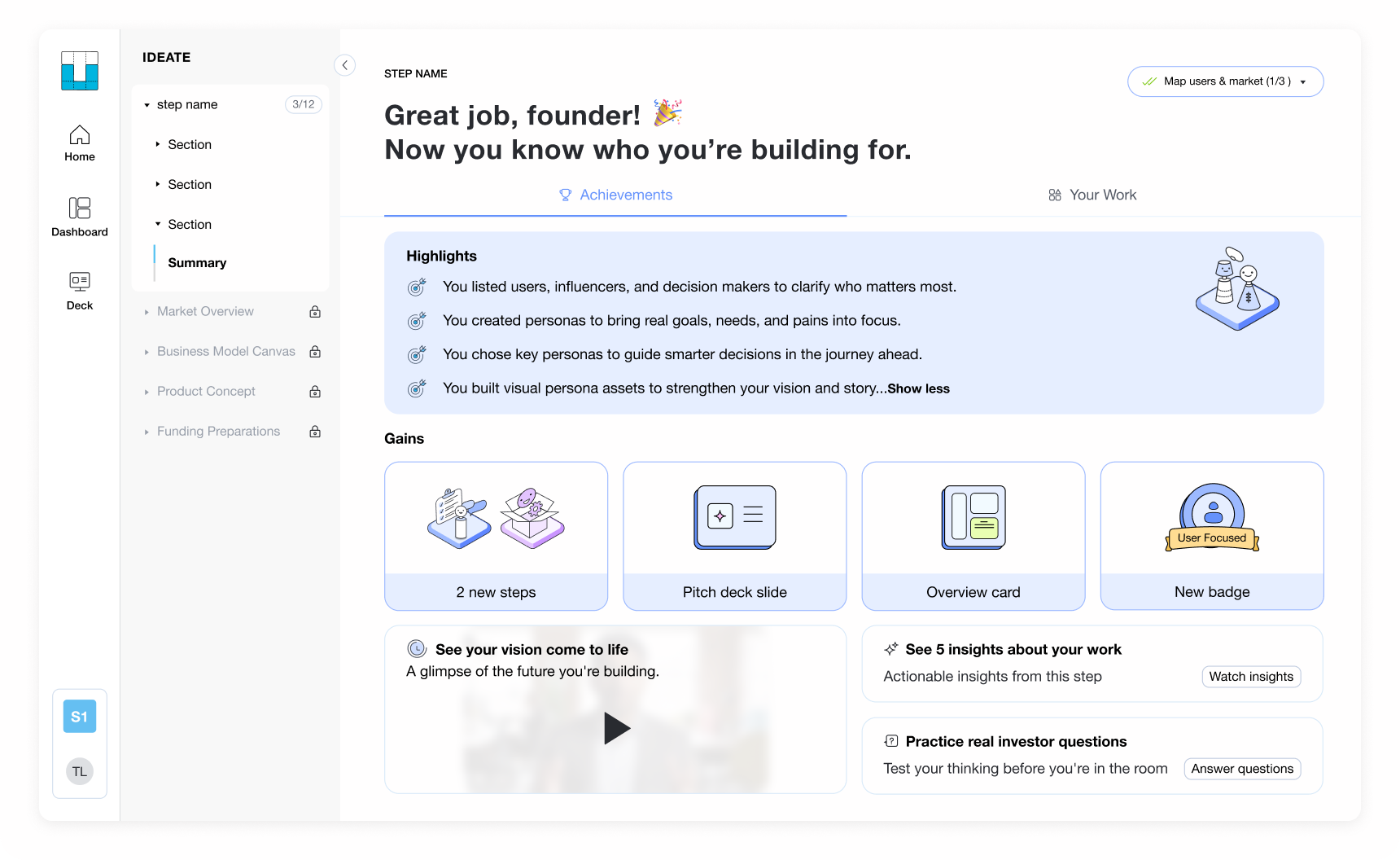
The moment a founder finishes a milestone. Everything here is tuned to make the win feel earned, and coming back feel natural.

01
“Founder” is deliberate. Research showed many feel insecure in the role, so the word affirms it. The line beneath anchors the win to the whole journey, not just the step they finished.

02
Spelling out what they achieved makes two things hard to ignore: how much they poured in, and that the work is now theirs. Both quietly raise the cost of walking away.

03
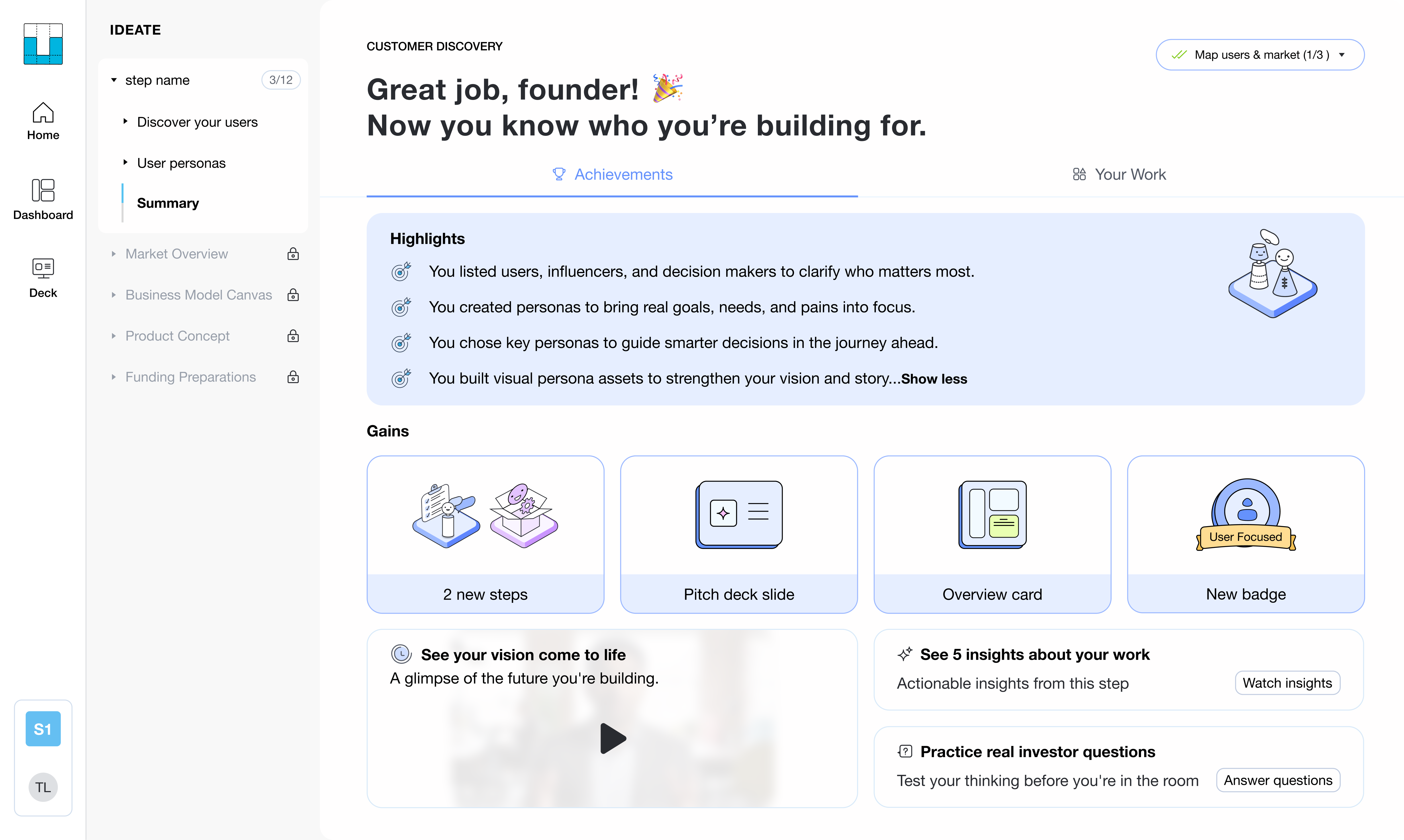
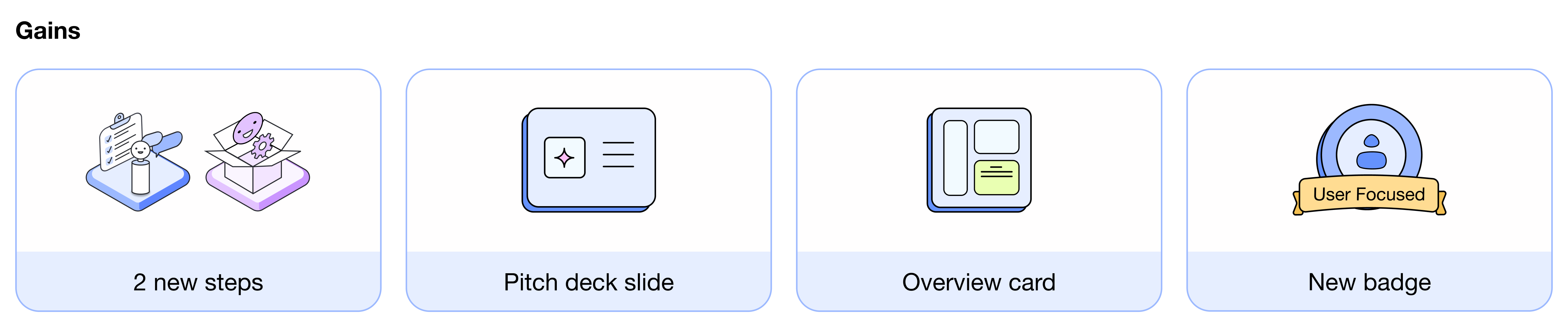
Every milestone hands over something real: new steps, assets they keep, and a badge. Badges accumulate, so the streak becomes its own reason to return, and because you never quite know what is coming next, it stays exciting.

04
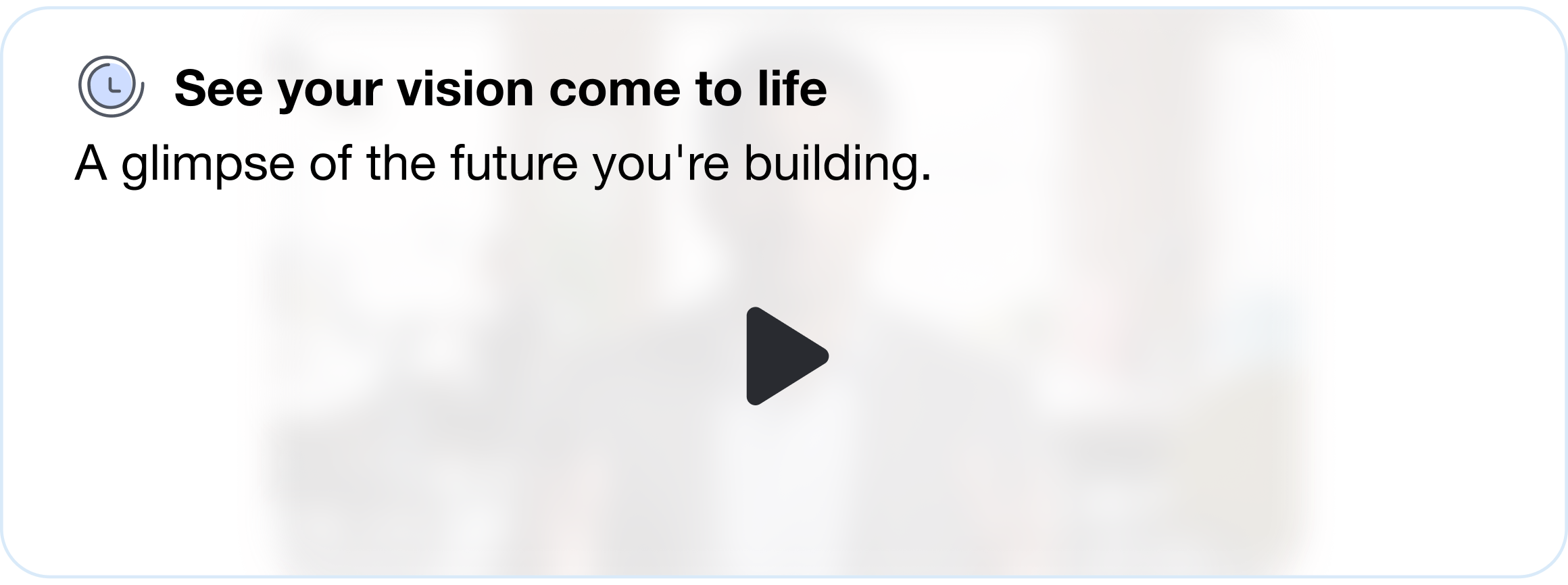
After each step, the product generates a short video of their future: a successful company. It pulls them forward, and because every one is different and made to be shared, it quietly brings new people in.

05
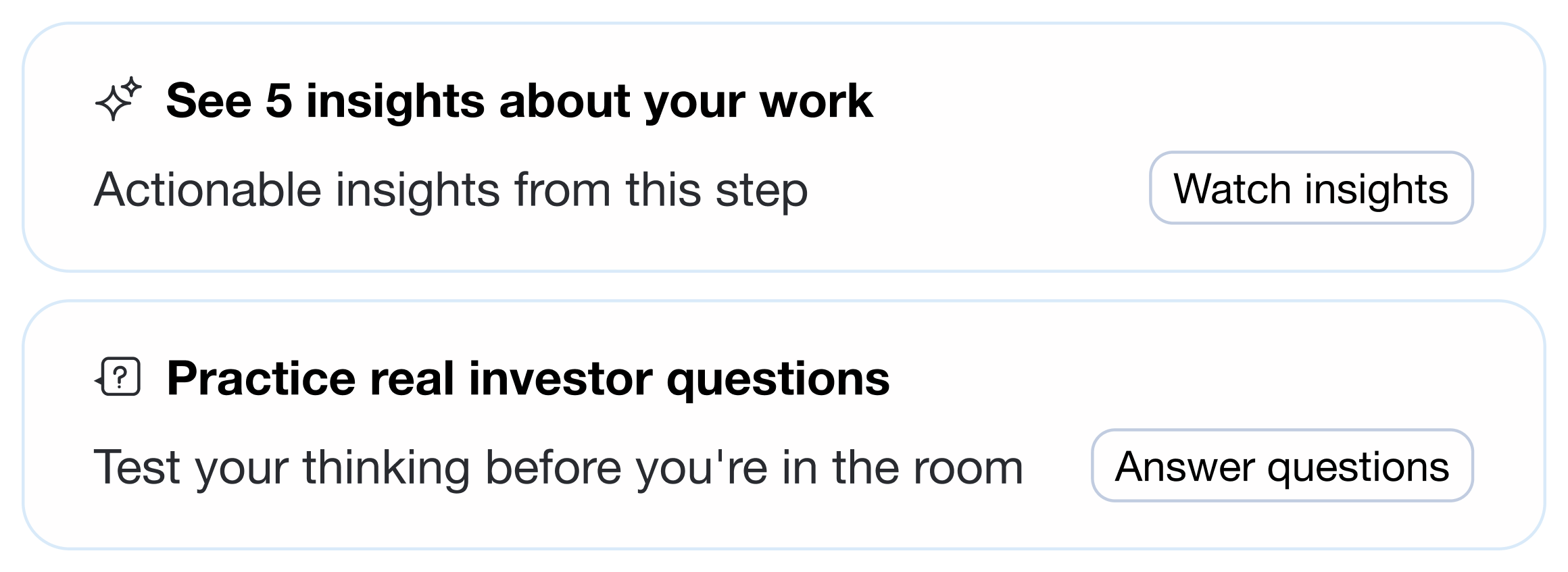
These two screens were a burden in the original flow. Right after finishing, users wanted to wrap up. In the summary as optional cards they keep the path to the win short, and still invite users to .

The mechanism
The feedback loop size matches the task size
Mapping emotional rewarding points
Before designing anything, I mapped every moment where a reward made sense
Four types of emotional events:
In-Step Achievement Rewards
The character makes it personal. The banner makes it official.
Milestone Feedback + Celebration
Make the reward tangible. Leave something uncertain.
Engagement
Continued work
rate raised
14%
Stickiness
Return rate
raised
7%