Company
Year
2024
Team
Role
Research & Design
Company
Year
2024
Team
Role
Research & Design

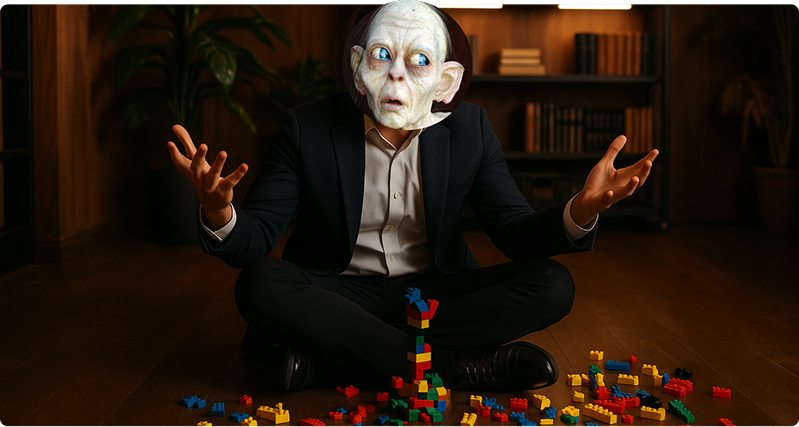
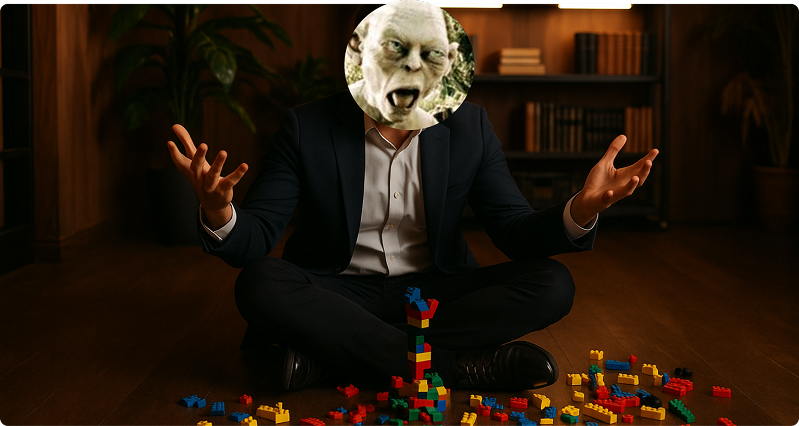
We got it wrong. So did they. Then we got it right.
The challenge
Help founders select their main user needs and the features that answer them.
The catch
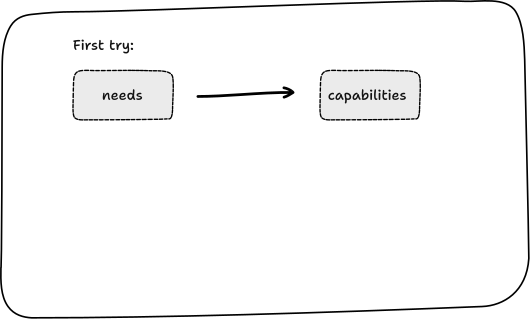
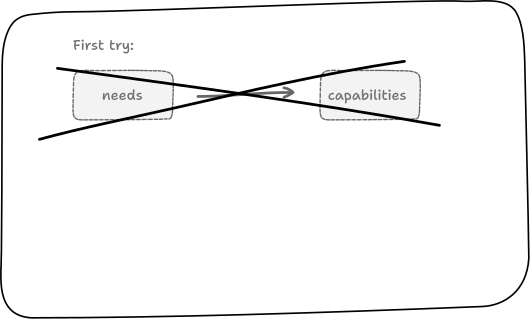
Our first version followed best practice. But users were dropping off.
What we did
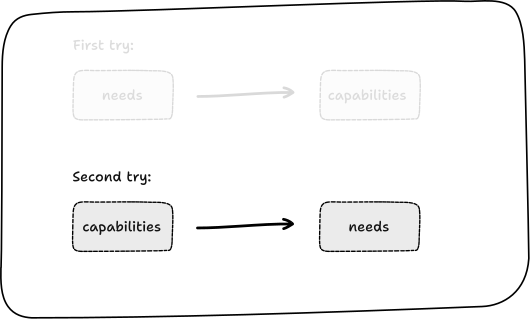
Found the root cause, flipped the flow, and fixed it.
The result
Task completion
went up by 12%.
We got it wrong. So did they. Then we got it right.
The challenge: help founders select their main user needs and the features that answer them.
The catch: Our first version followed best practice. But users were dropping off.
What we did: Found the root cause, flipped the flow, and fixed it.
The result: Task completion went up by 12%.
Watch the full story below or listen to the audio summary
Watch the full story below or listen to the
Key takeaways
Every decision made to guide, not overwhelm.
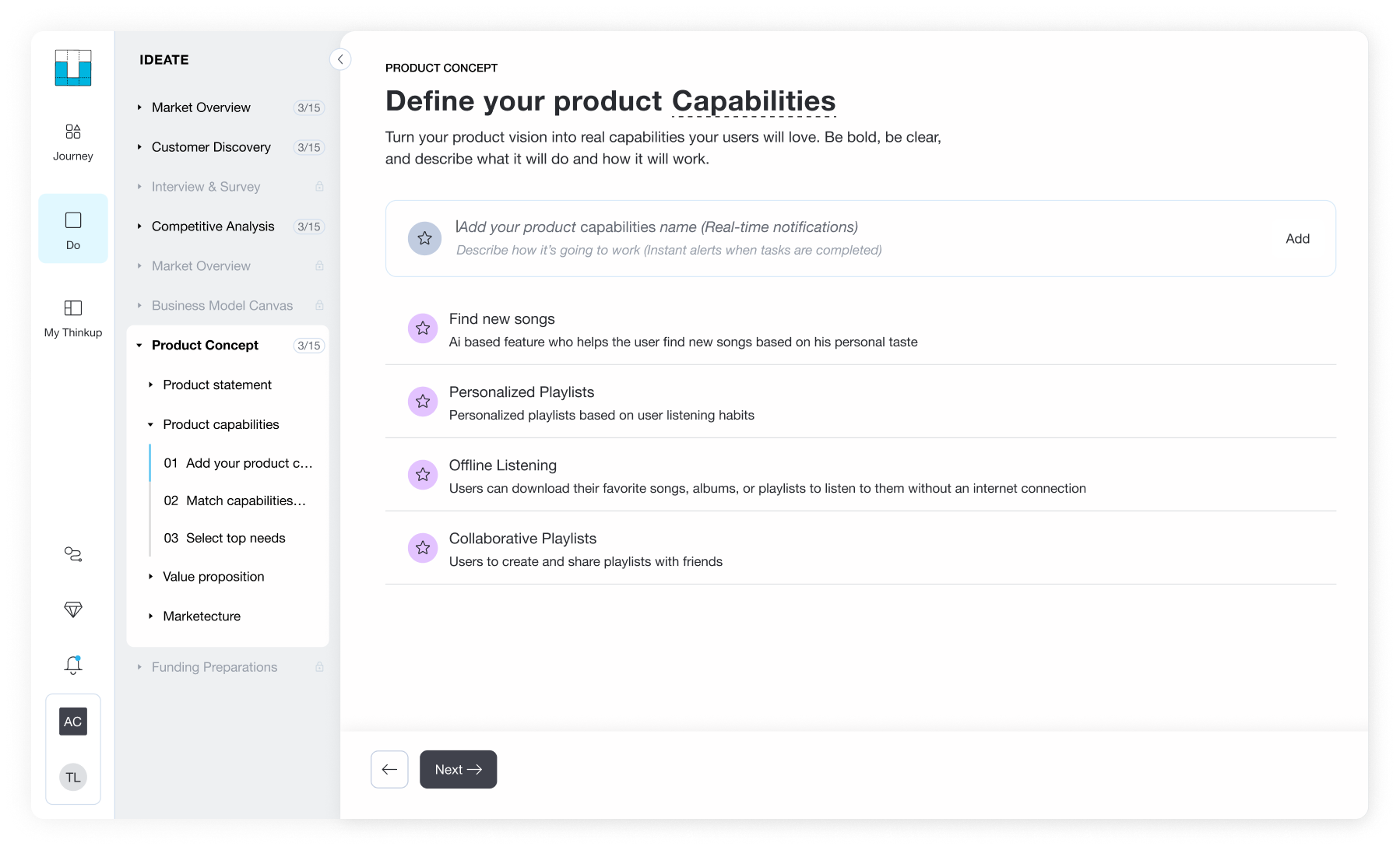
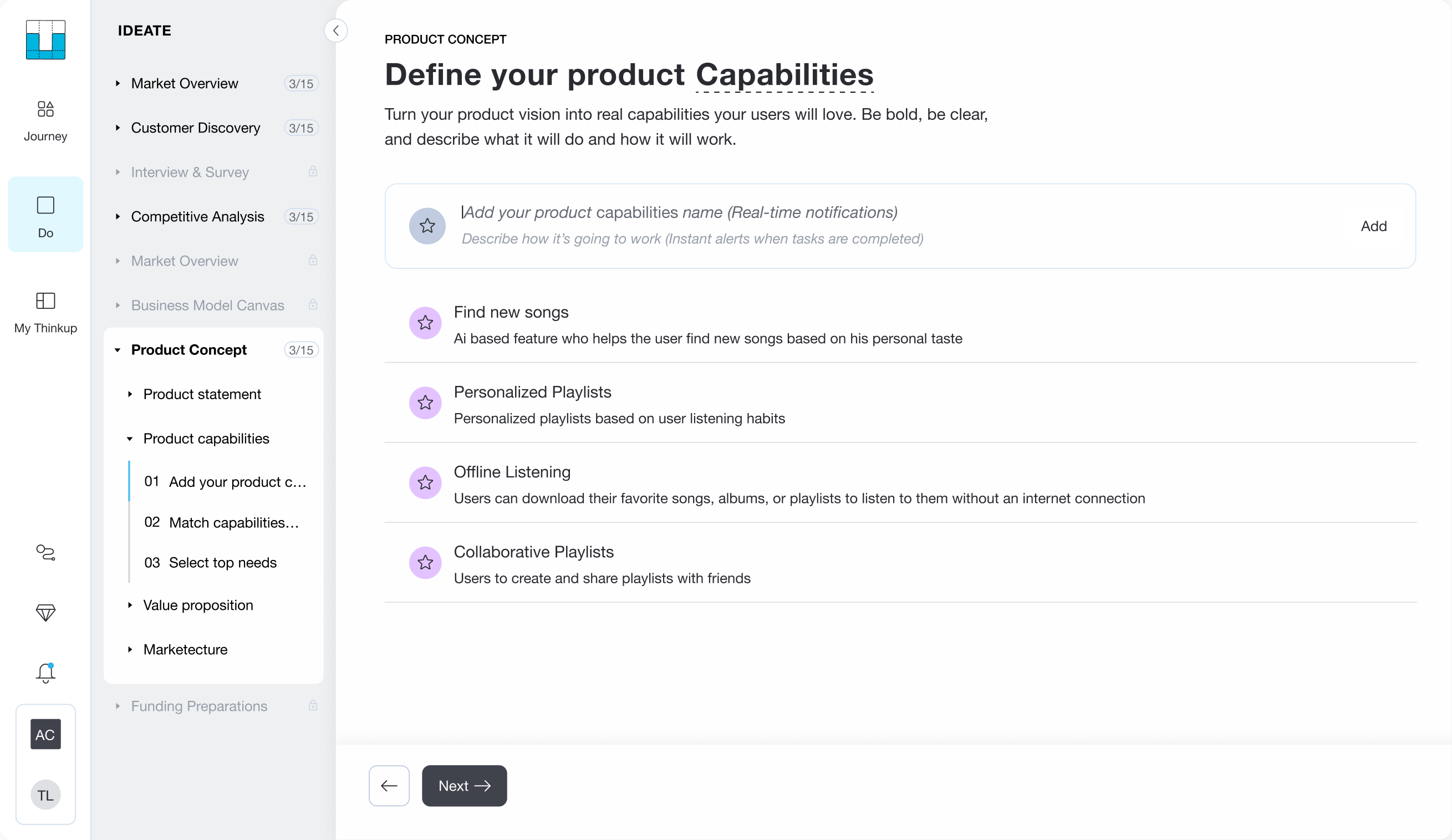
Define capabilities
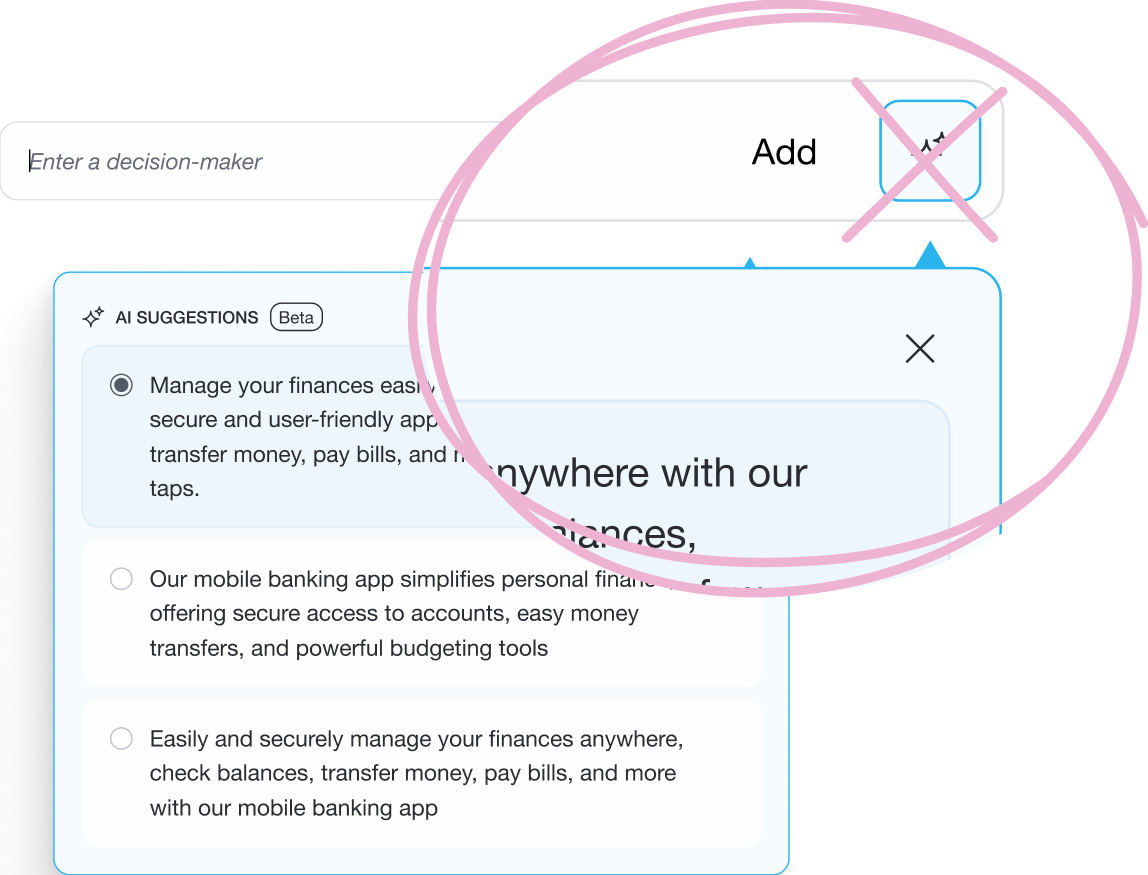
Adding capabilities is intentionally AI-free
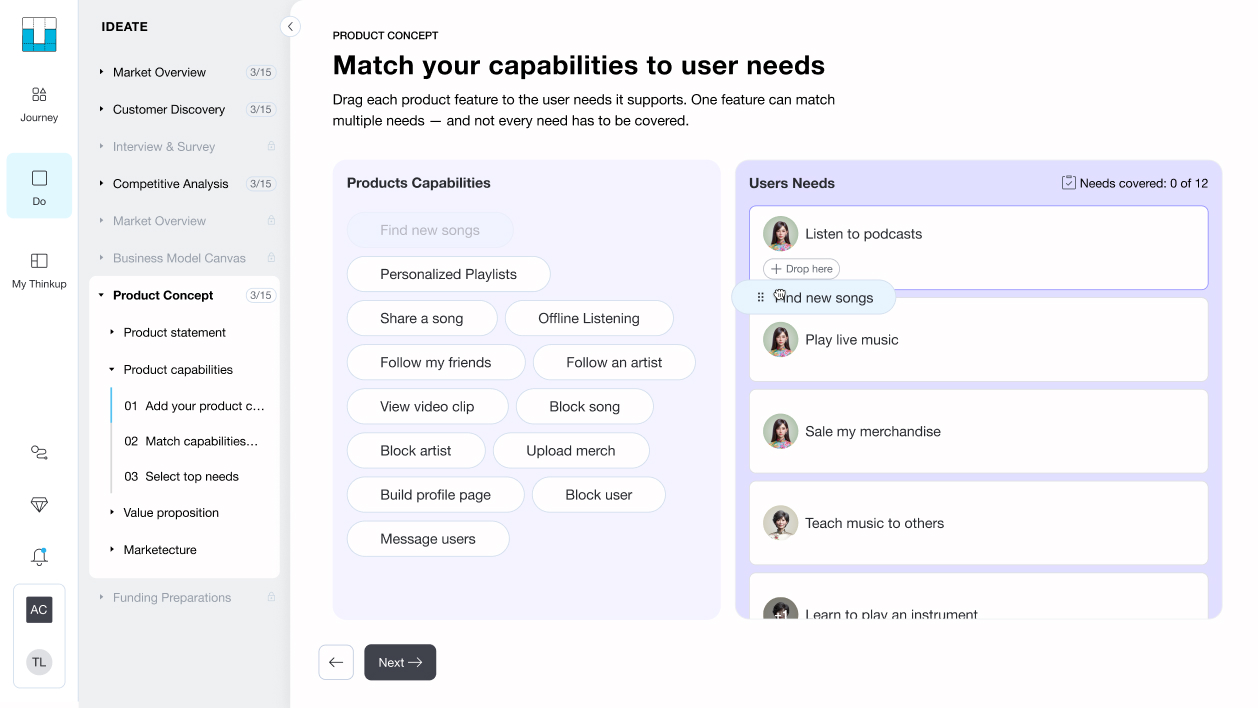
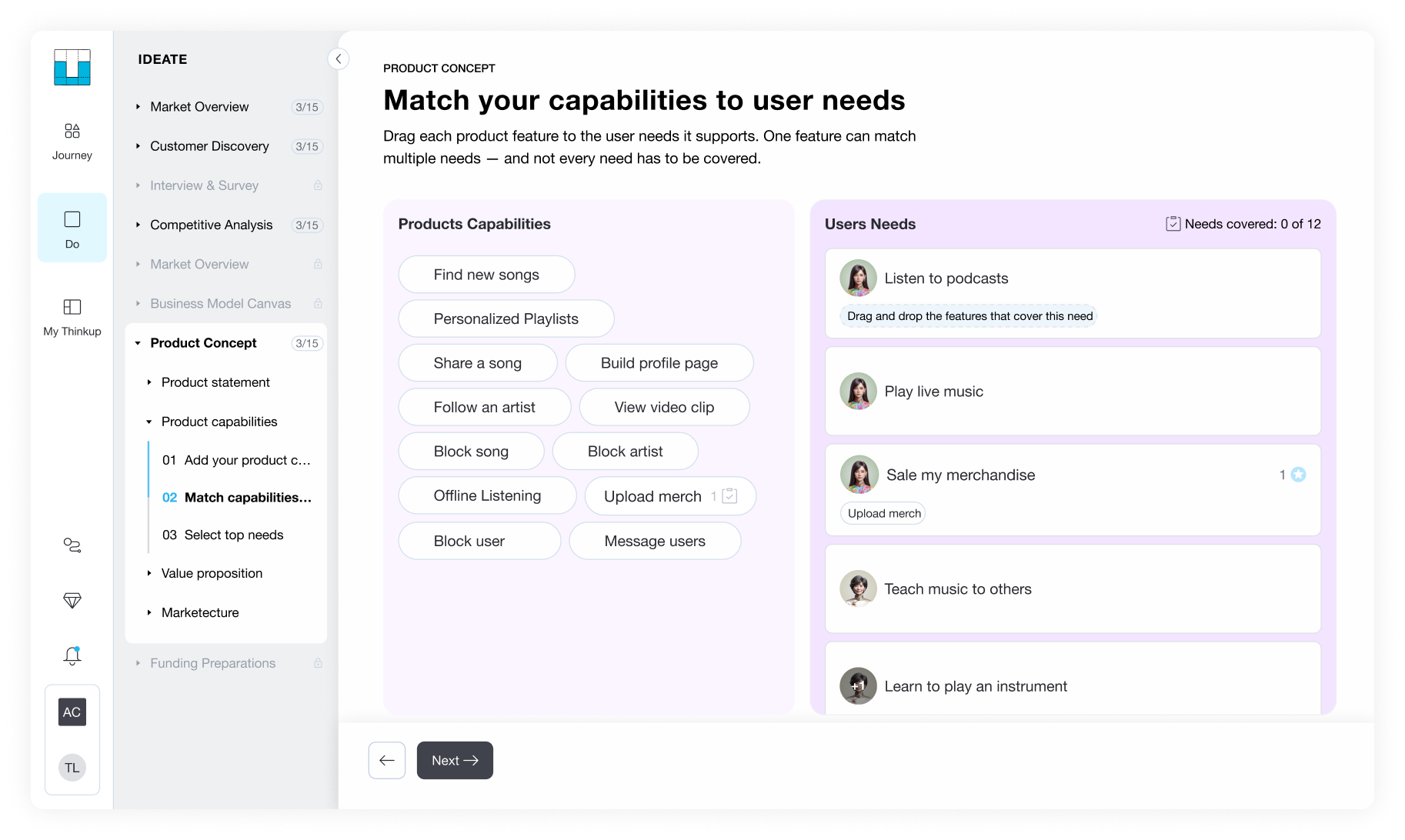
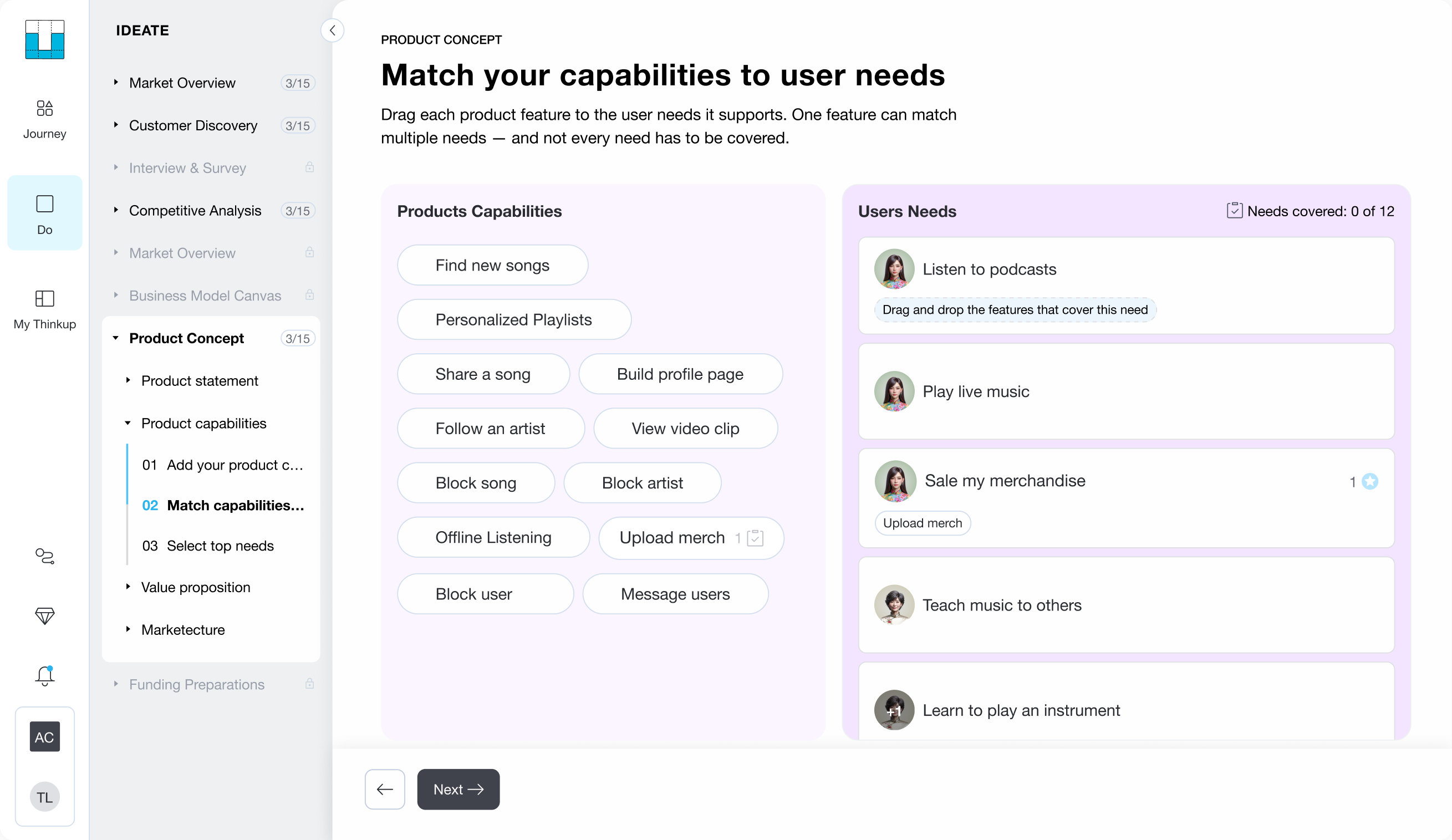
Match capabilities to user needs
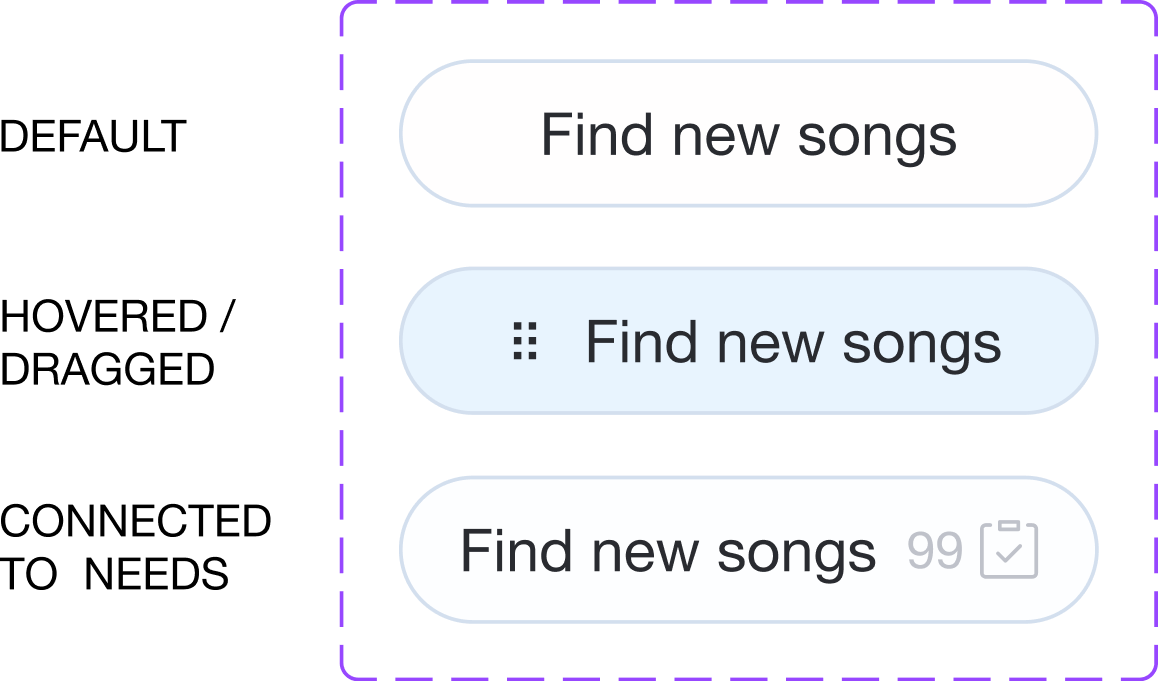
Every chip holds its shape. Every number tells you what it's worth.
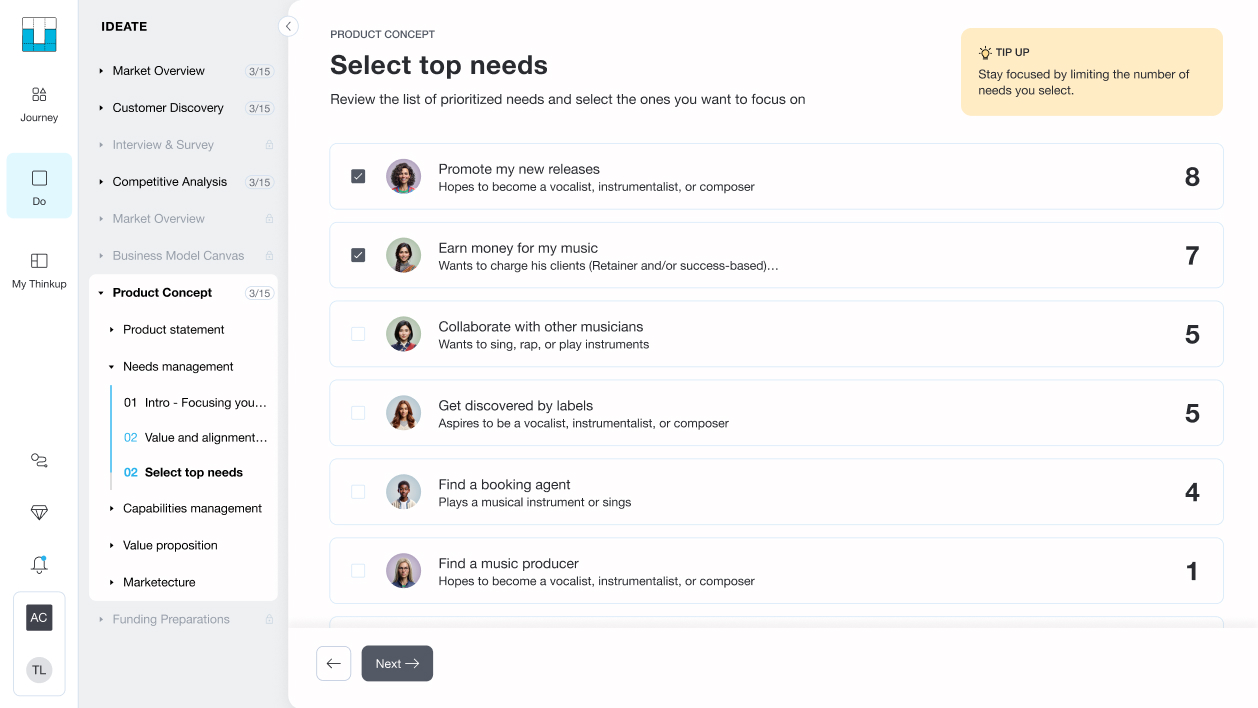
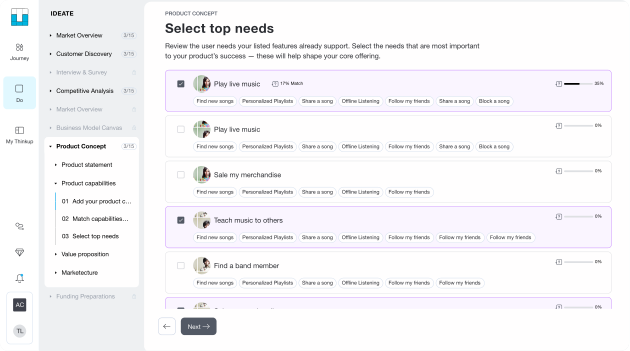
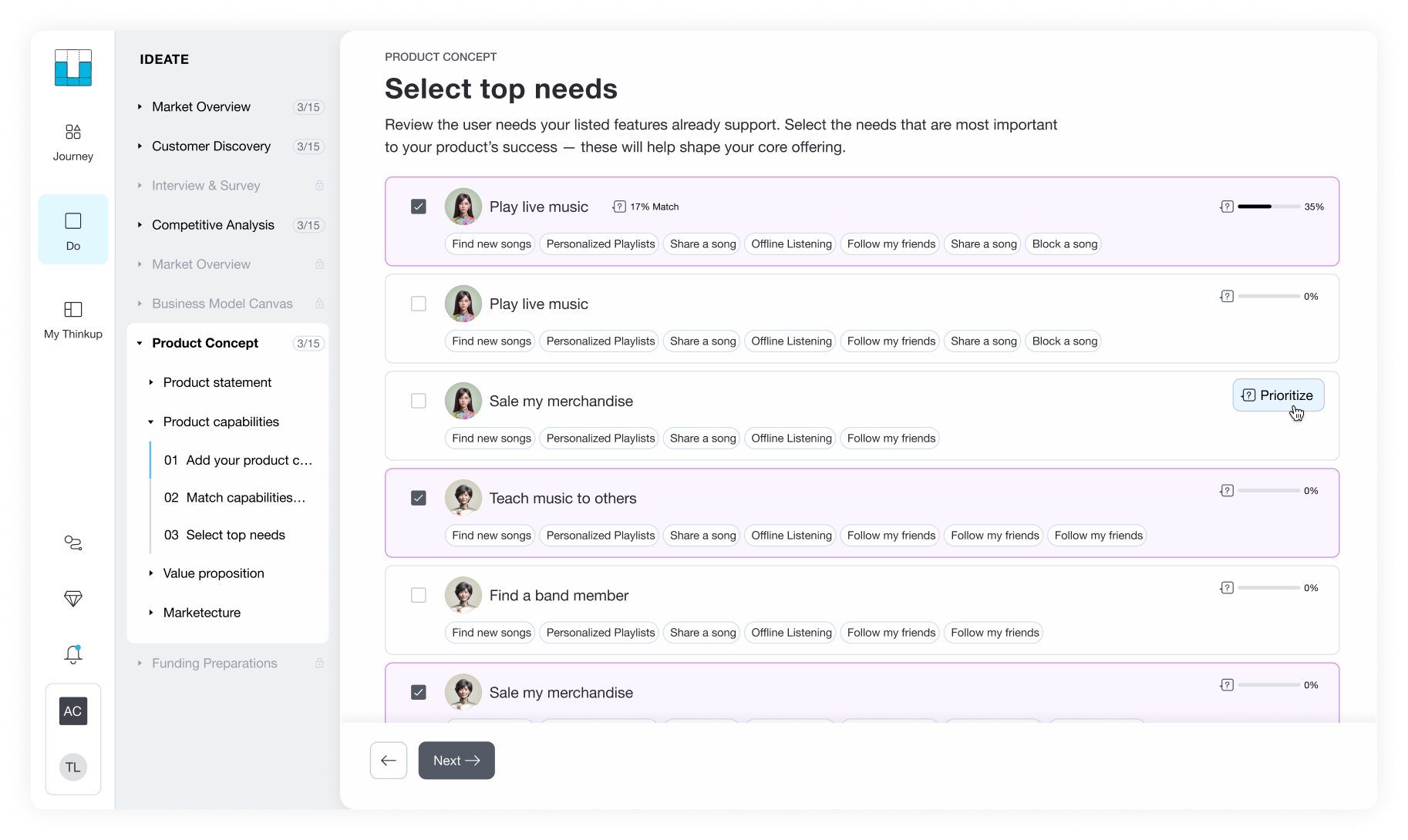
Select top needs
Lots of linked capabilities don't guarantee a strong need
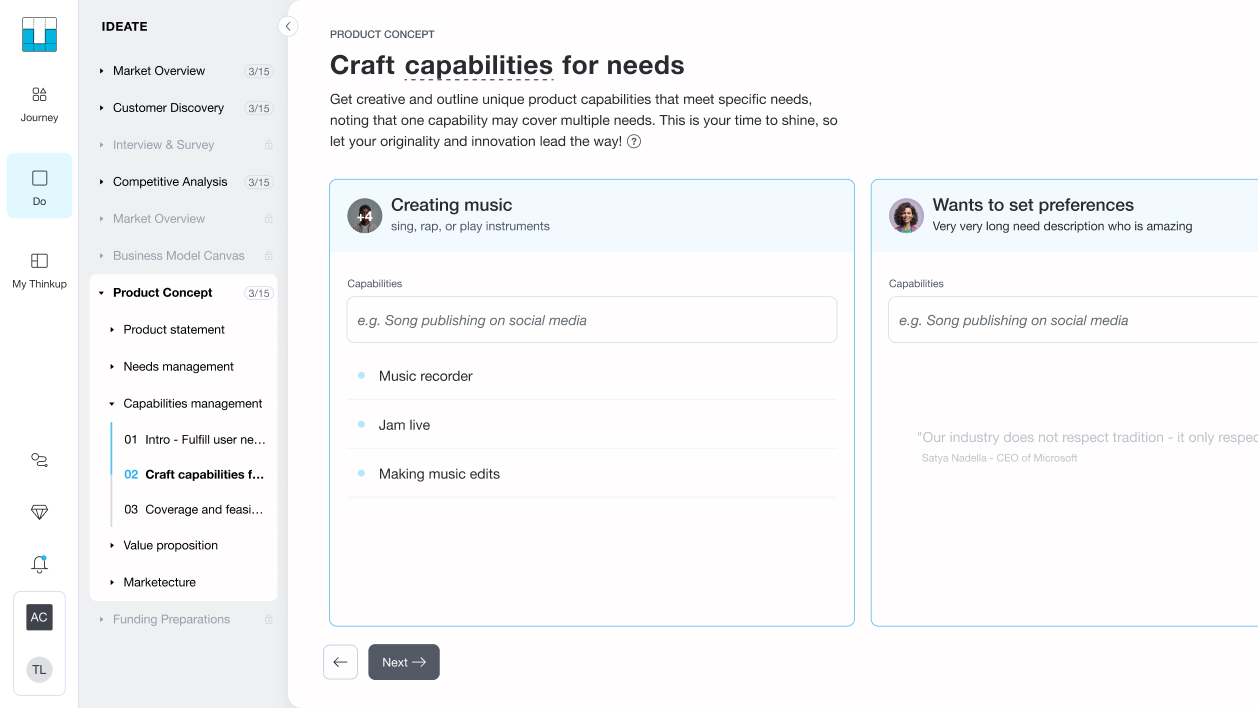
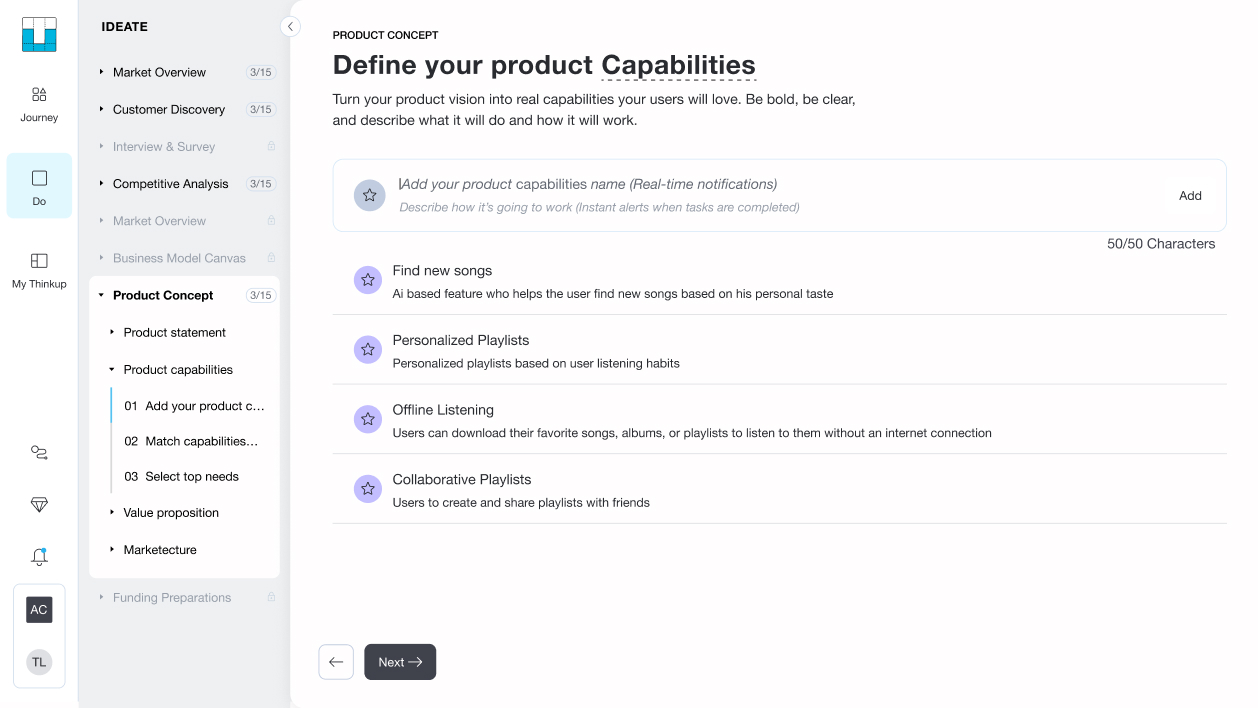
The first task: turn the product vision into a concrete list of capabilities.

Unlike most steps in the system, adding capabilities is intentionally AI-free. Founders will eventually stand in front of investors and defend every item on that list. That output had to be genuinely theirs.

Capabilities first, then connect them to needs. The reordered flow in action.

01
I built each chip to hold its size whether it showed the needs counter, the drag handle, or neither, so the list never shifted.

02
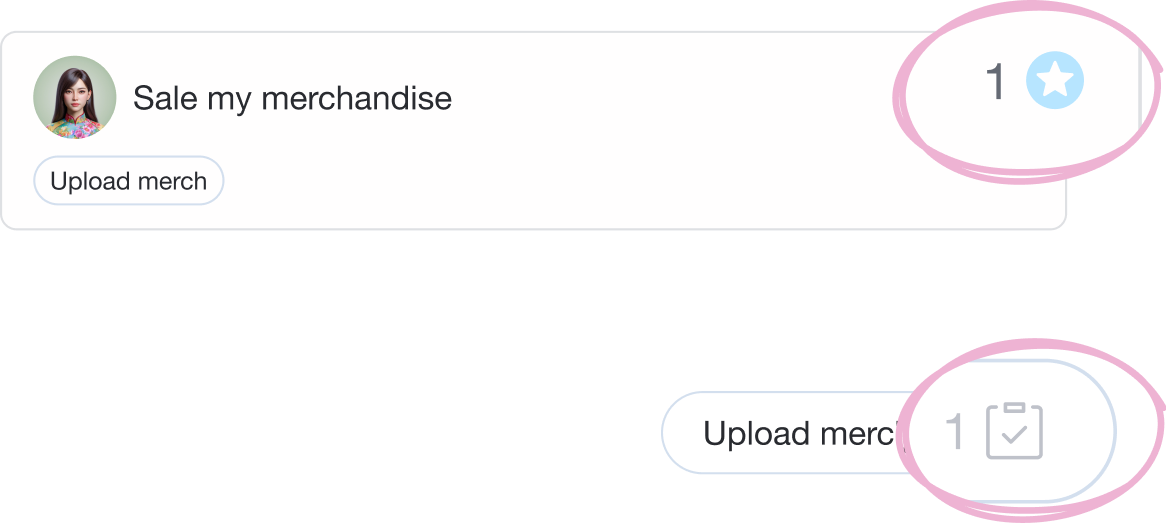
I surfaced connection counts in both directions (capability to need, and vice versa) so users always knew what each item was worth.

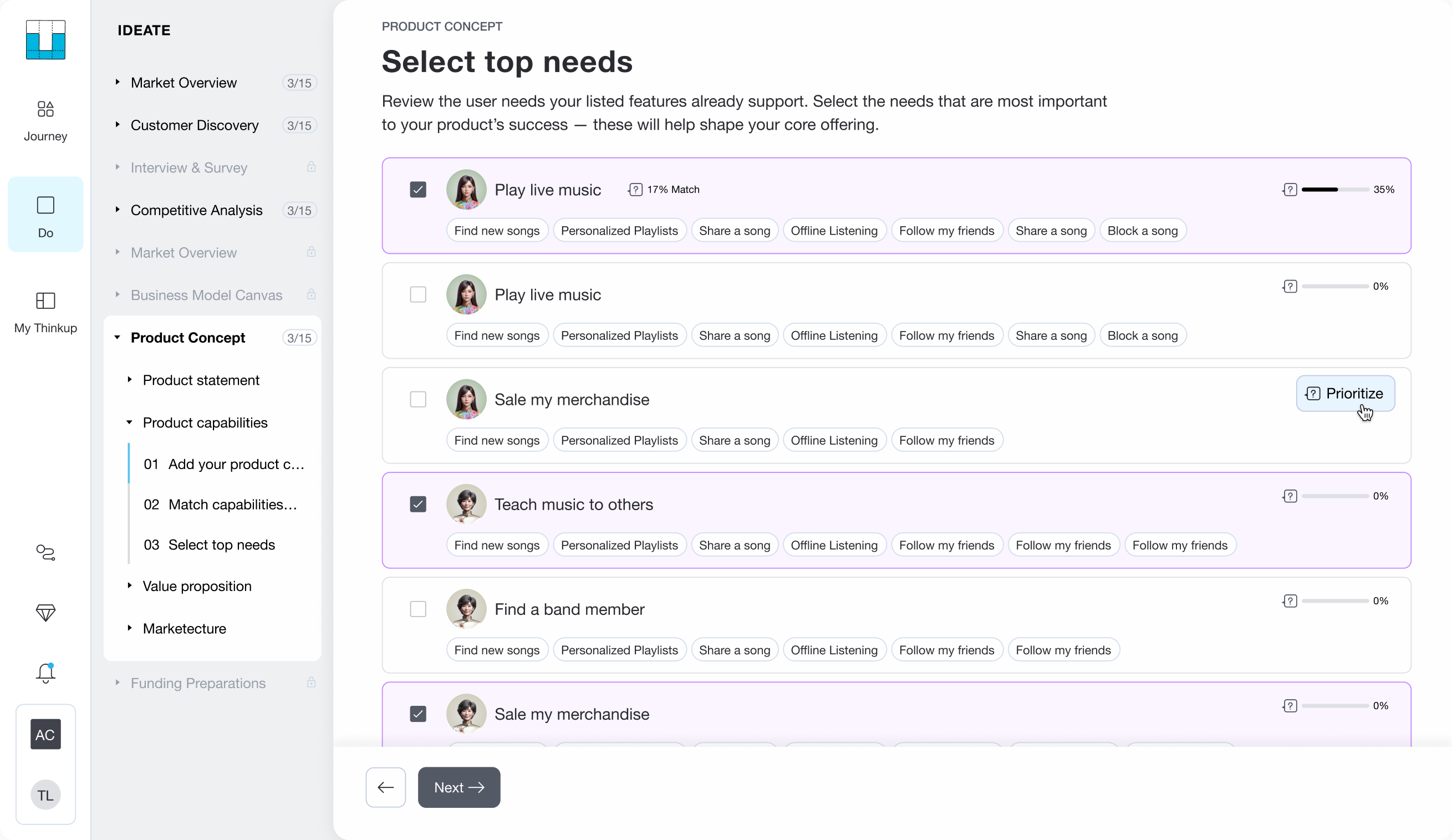
With real context behind each need, picking the top ones stops feeling like a loss.

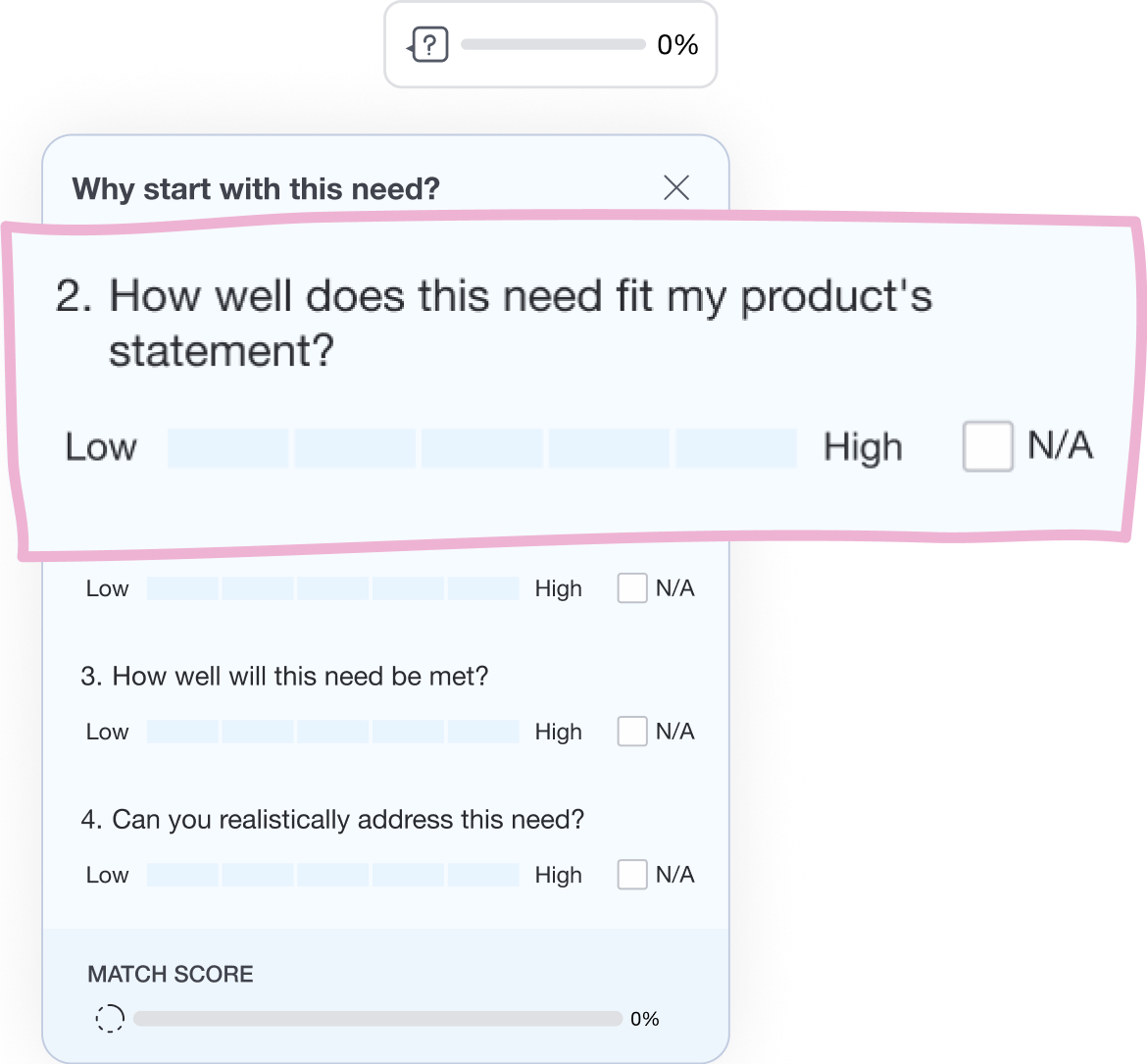
Lots of linked capabilities don't guarantee a strong need. I added match scores so users could judge the real fit, not just the quantity.

Product KPI reached
Task completion raised by
12%